
Author

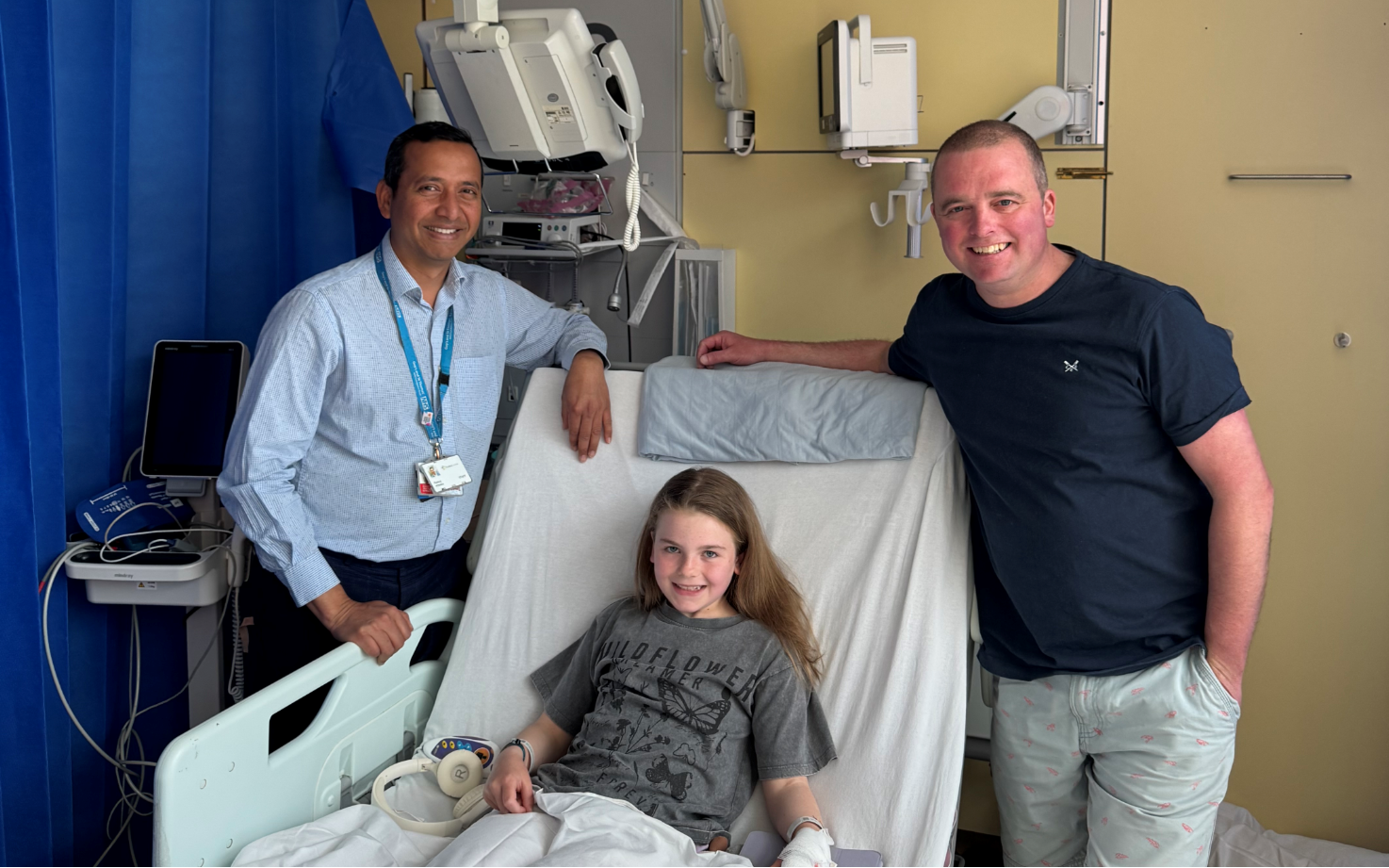
A 9 year old girl is back to an active life of swimming and dancing after having an innovative robot-assisted pyeloplasty at Evelina London Children’s Hospital.
Evony Sweeney from Devon underwent the minimally invasive surgery to correct a pelvi-ureteric junction obstruction (PUJO) at the world-leading children’s hospital in May 2025. She had an abnormal blood vessel that was causing pressure and a blockage at the point where her kidney’s urine-collecting section connected to the ureter, the tube that carries urine to the bladder. The procedure involved removing the blockage and reattaching the ureter.
Afterwards, the surgeon placed a temporary stent from Evony’s kidney to the bladder across the area of operation, to ensure normal urine flow, avoid complications and allow healing and rest.
How does a PUJO affect daily life?
A PUJO can be something a child is born with, as in Evony’s case, or it can be detected later in life. It can be painful and may lead to kidney damage and infections if left untreated. It’s usually found during routine antenatal ultrasounds but can also develop later in childhood or early adulthood.
Evony experienced recurring stomach pain and vomiting for almost a year before undergoing surgery. An ultrasound at Evelina London showed she had a swollen left kidney, and a MAG-3 nuclear medicine scan revealed impaired function and dilation.
Evony’s mum, Hannah, said: “Before the procedure, feelings of nausea and weekly vomiting would result in her missing a lot of school, as well as social events and clubs, causing her a great deal of stress and trauma.”
Experienced surgeon operates Versius robotic system
Evony’s referring doctor recommended our consultant paediatric urologist, Mr Pankaj Mishra, for the operation. He led Evelina London’s urology team in using the Versius surgical robotic system for the robotic assisted laparoscopic (keyhole) procedure. Mr Mishra sat in the room with Evony, skilfully controlling the system’s 3 robotic arms from a console.
In robotic pyeloplasty surgery, the surgeon uses smaller ports (tiny holes in the tummy instead of a large cut) to insert instruments into the patient’s abdomen. Each arm has a tool at the end, along with a high-definition 3D camera on the third. The arms can hold all the tools a surgeon needs, including scissors, forceps, and electrocautery instruments for dissecting, removing or sealing body tissue.
The Versius system benefits surgeons and patients alike. It imitates the human hand, which enhances the surgeon’s precision.
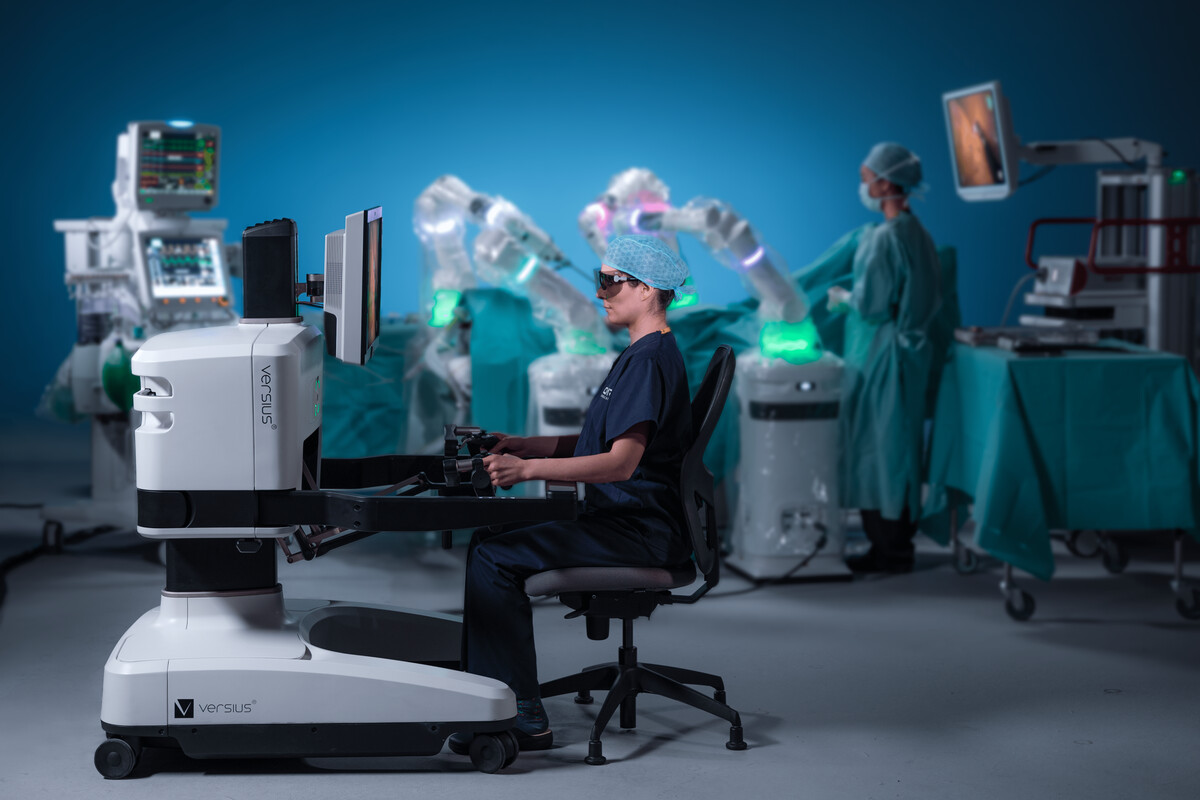
An example of how the Versius surgical robotic system looks within an operating room. Image courtesy of device manufacturer, CMR Surgical.
Mr Mishra said: “You work through a keyhole, but the end of the instrument moves just like your hand – left, right, up, down, and centre, with various angles. Another advantage of the Versius system is 3D vision, which standard laparoscopic surgery generally lacks. It provides enhanced perception and clarity, meaning you are better able to judge distance and depth.”
Robotic pyeloplasty is also less tiring for the surgeon. They can sit comfortably while operating the robotic arms, eliminating the need to stand for 2-3 hours as in standard keyhole surgery.
Benefits of robotic pyeloplasty surgery for patients
Patients benefit from more precise surgery, which in turn reduces post-operative pain, and potentially shorter hospital stays. Evony’s surgery was straightforward, requiring no drain. She stayed 1 night and was discharged home the day after surgery.
Hannah said: “The surgery was quick, effective and successful. Evony has been left with virtually no scars. Our experience has been absolutely fantastic from beginning to end.”
The surgery has greatly improved Evony’s enjoyment of life. She is now fully recovered and can enjoy being a happy, active girl who loves the beach, playing in the sea, dancing, and acrobatics. A few weeks after the surgery, she was back to her acrobatic classes and swimming.
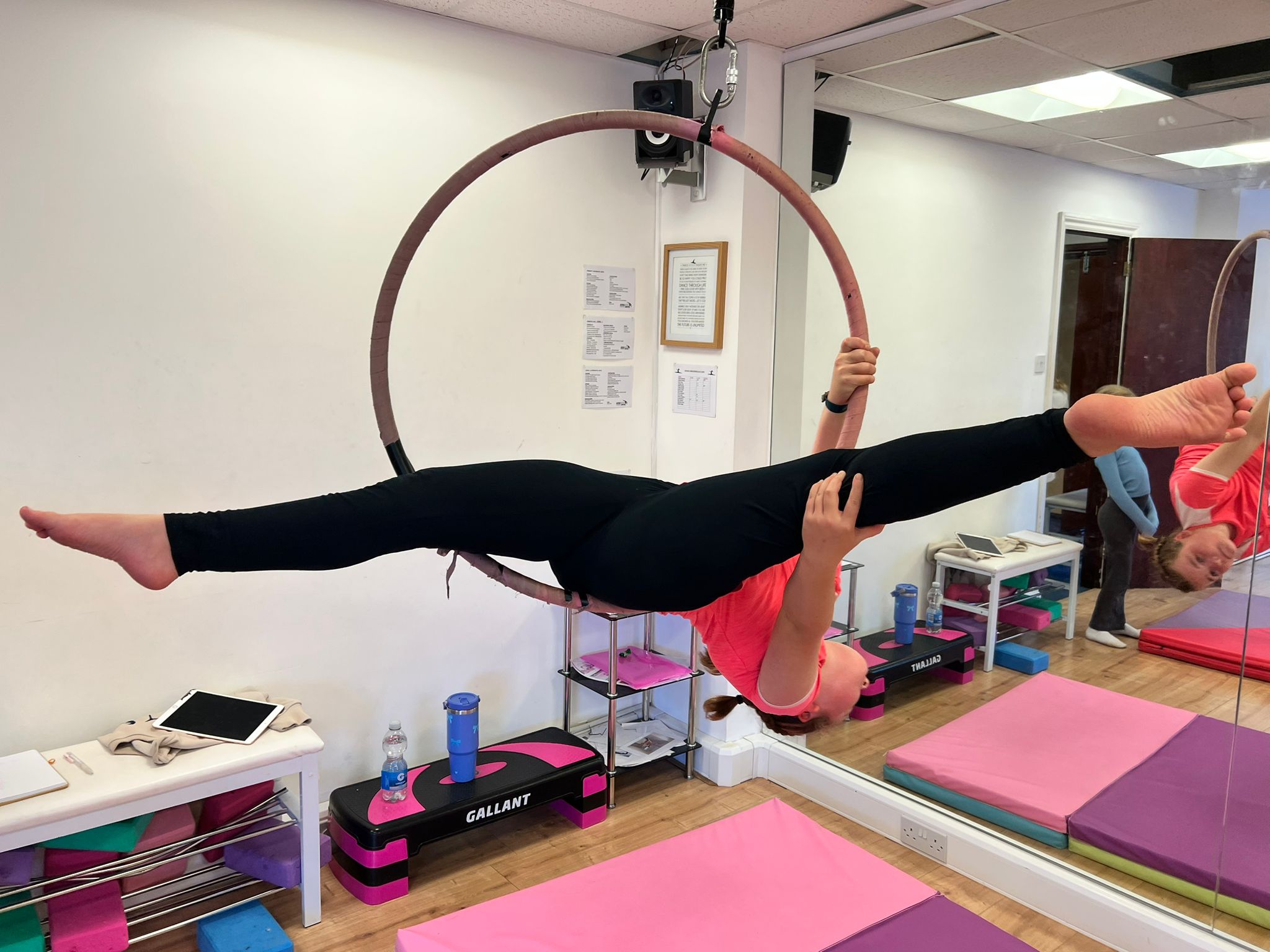
Evony has returned to her usual hobbies, including her acrobatic classes.
Evony’s dad, Chris, added: “While the idea of robotic surgery may sound daunting, we would strongly recommend it to any parent of a child in the same situation. Evelina London and the consultant, Mr Mishra, provided exceptional services and quality of care. Everyone we encountered was kind and caring.”