
Content verified by

What is diverticulitis?
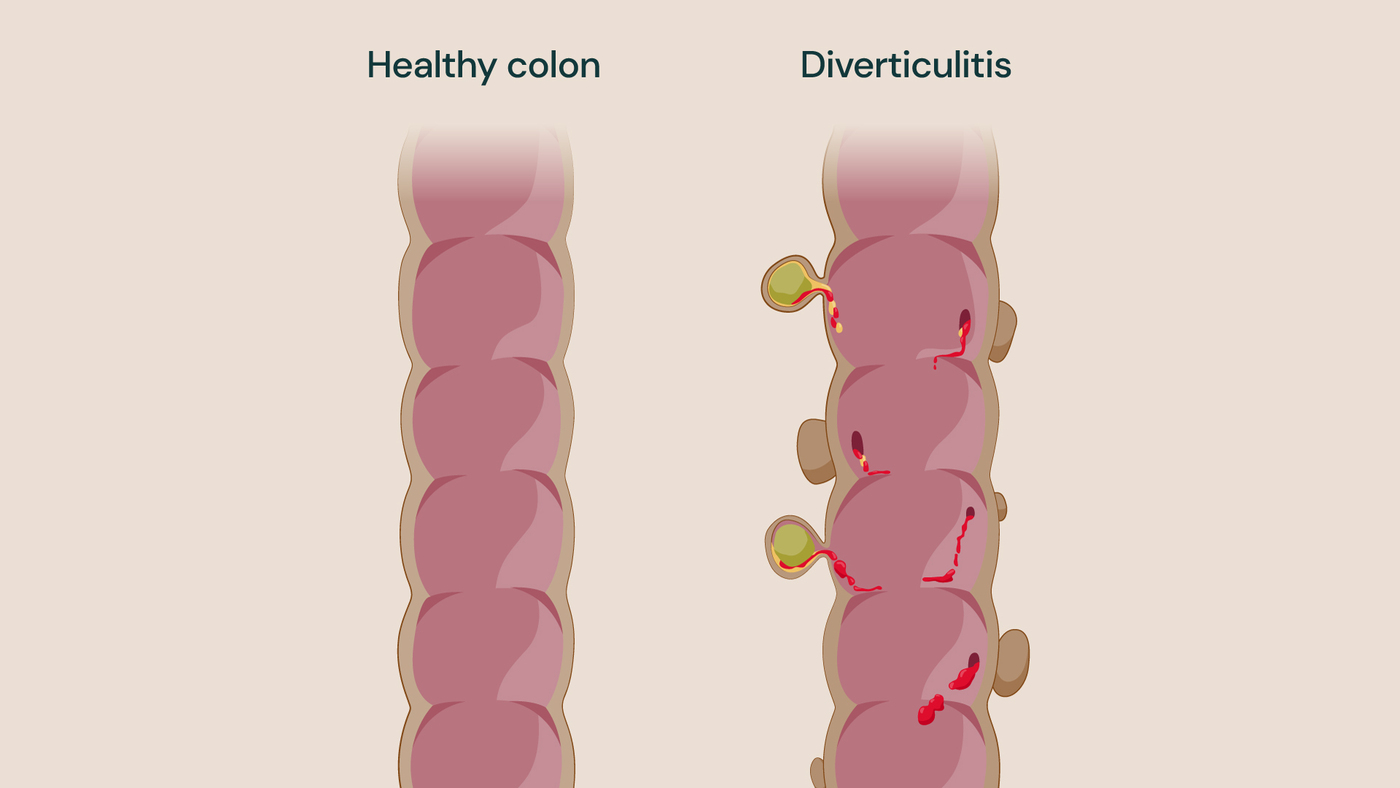
Diverticulitis is a form of diverticular disease (a condition where small pouches form in the walls of the large intestine). Researchers estimate that 1 in 5 people will experience it at some point, with some developing the condition more than once.
When diverticula (small bulges or pouches) develop in your intestinal wall, they may become inflamed and infected, causing diverticulitis. This condition can lead to symptoms such as severe abdominal pain and a high temperature.
Our specialists can help diagnose and treat diverticulitis, including its symptoms.
Experts in gastrointestinal care
Our world-leading consultants offer:
- fast, accurate diagnosis with advanced imaging
- advanced treatments for gastro conditions
- short-notice appointments

Who is at risk of diverticulitis?
Around 1 in 20 people will have developed diverticula by age 40. However, this figure increases to at least 1 in 2 by 80, which means you’re likely to have a higher risk of developing diverticulitis later in life (after reaching 70).
Some other common risk factors associated with diverticulitis include:
- diet – not eating enough fibre in your diet may increase your risk of developing the condition
- gender – diverticulitis is more likely to appear at a younger age (under 50) in men than women
- genetics – diverticulitis has higher rates in European and North American countries than in African or Asian countries
What are the different types of diverticulitis?
Diverticulitis can affect people in different ways, and we will typically classify it as complicated or uncomplicated.
- complicated diverticulitis – the more serious, but less common, form of diverticulitis that may cause complications such as bleeding, urinary issues, abscesses and intestinal blockages
- uncomplicated diverticulitis – the most common type of diverticulitis where you have inflamed and possibly infected diverticula, but no other serious issues
We also describe diverticulitis as acute or chronic.
Acute diverticulitis occurs when symptoms appear suddenly but resolve with appropriate treatment. Chronic diverticulitis is when your condition returns and affects you over a longer time.
Symptoms of diverticulitis
Symptoms develop in approximately 25% of people with diverticula. These symptoms are more general and may include:
- blood in your stool
- bloating
- constipation
- diarrhoea
- pain in the lower left side of the abdomen (although it may affect your right side, too)
- stomach pain that worsens after you eat
However, if the diverticula become inflamed and infected, this may lead to diverticulitis symptoms like:
- bleeding or passing mucus from your bottom
- feeling or being sick
- high temperature
- severe, constant pain in the abdomen
If you’re experiencing symptoms of diverticulitis, speak to our team to book an appointment with our dedicated consultants.
What causes diverticulitis?
Experts believe the main cause of diverticulitis is faeces getting trapped in one or more diverticula. This allows bacteria to multiply and can result in an infection.
Complications of diverticulitis
In most cases, diverticulitis rarely causes complications.
However, about 20% of people with the condition can develop complicated diverticulitis, which may lead to several related issues.
Some of the complications most commonly associated with complicated diverticulitis include:
- abscess – this most common complication can lead to a pus-filled cavity or lump forming in the tissue outside the large intestine
- bleeding – this painless complication usually resolves itself. However, if it doesn’t, you may require an emergency blood transfusion or monitoring in hospital
- fistula – another common complication of diverticulitis. It can lead to an abnormal tunnel created between your intestine and abdominal wall or bladder
- intestinal obstruction – if diverticulitis has severely scarred the large intestine, this may lead to an obstruction, which can eventually go on to cause peritonitis
- peritonitis – a much rarer yet life-threatening complication caused by the infected diverticula splitting and allowing the infection to spread into the abdominal cavity
- urinary issues – diverticulitis can cause the inflamed bowel to touch the bladder, potentially leading to pain when weeing or a more frequent need to urinate
Depending on the type and severity of these complications, you may require surgery or treatment to alleviate your symptoms.
Diagnosing diverticulitis
Diagnosing diverticulitis involves taking a detailed medical history and performing a physical examination.
Diverticulitis can look like several other conditions, including irritable bowel syndrome or the early stages of bowel cancer, so we may need to perform different tests to rule out these causes. The tests will typically include blood, stool or urine tests.
If these tests raise suspicion of diverticulitis, you will need an imaging test using a computerised tomography (CT) scan.
We may also perform a colonoscopy, where we insert a thin tube with a tiny camera attached to look inside your intestine. In doing so, we can see if you have any diverticula present.
To make an appointment with our consultants, please contact our customer service team.
Diverticulitis treatment
Several treatments are available for diverticulitis. Finding one that suits you will depend on your condition.
Uncomplicated diverticulitis might go away on its own. However, it’s still essential to seek medical advice just in case.
Some of the main treatments used to help diverticulitis symptoms include:
- antibiotics (if the diverticulitis is caused by an infection)
- bulk-forming laxatives (for constipation and diarrhoea)
- medicines to help with stomach cramps (called antispasmodics)
- painkillers (such as paracetamol)
Depending on the severity of your condition, we may need to perform a colectomy. This surgical procedure involves removing the section of the intestine affected by the inflamed diverticula.
You must also incorporate more fluid and fibre into your diet. You can do so by prioritising foods like whole grains, fruits and vegetables and drinking at least 2 litres of fluid a day.
Locations
We can provide treatment for this condition at:
Meet our gastrointestinal experts
Our dedicated gastroenterologists offer innovative treatments for various gastrointestinal conditions, including diverticulitis.
Reviewed regularly to reflect clinical best practice
Last reviewed: 09 March 2026